

Lifestyle/Nutrition
Chest Fat Vs. Gynecomastia: How to Tell Them Apart


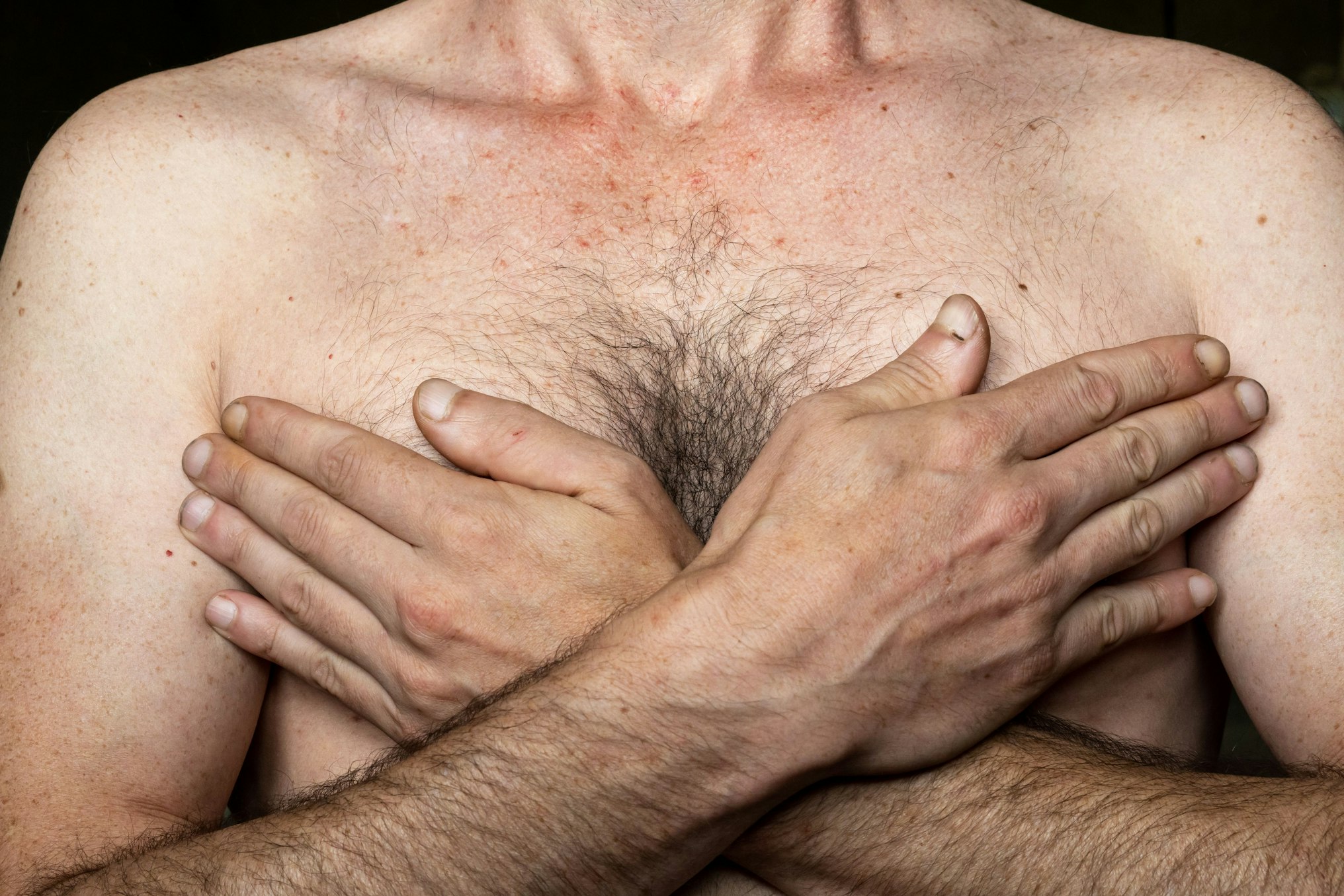
Gynecomastia is the development of excess or abnormal tissues and glands in the male breast. Sometimes it develops in adolescence and eventually disappears, but in some men, gynecomastia also develops later in life. The cause can be anything from a hormonal imbalance to taking certain medications.
Gynecomastia differs from normal breast fat because excessive glandular tissue in the chest area causes it. Fat can accumulate in the breast due to weight gain and – unlike gynecomastia – responds to diet and exercise. Gynecomastia, however, often requires surgical treatment.
If you are unsure whether you have gynecomastia or normal breast fat, a specialist can determine the cause. Below, we review common ways to tell the differences surrounding gynecomastia vs. chest fat.
Do You Experience Discomfort Around Your Chest?
Gynecomastia can cause mild to noticeable pain and tenderness in the breast area. Your chest may be swollen, constantly sore, and painful to touch. This is much less likely with excess chest fat.
Still, fat in the chest can undoubtedly be painful for several reasons unrelated to gynecomastia. Therefore, evaluating more than one factor is essential when trying to distinguish between them.
What is The Tissue's Texture?
Chest fat usually feels like fat elsewhere, such as on the abdomen, legs, or arms. It usually feels soft, while gynecomastia has a much firmer texture.
Some patients describe gynecomastia as feeling as hard as rubber. You may even feel a firm lump under the skin, which is not usually the case with regular fat.
How Does Your Chest Appear?
Chest fat tends to sag or droop and has no distinct shape. Gynecomastia, on the other hand, is usually rounder and more proportional. It can resemble a woman's breasts. In gynecomastia patients with small amounts of excess tissue, the nipple-areolar complex may protrude more than the rest of the breast.
How Does Your Body Respond to Weight-Loss Efforts?
One of the most relevant signs of whether you have chest fat or gynecomastia is how your pectoral area responds to diet and exercise. Although everyone's body loses fat differently, including losing it faster in specific areas, you should at least notice a slight reduction in the size of your chest area when you lose weight.
If you see little or no change, even after losing drastic amounts of weight, that is a possible sign of gynecomastia. Sometimes the glandular tissue becomes more visible with weight loss because the fat that used to cover it has been lost.
Treat Your Chest Fat With Gynecomastia AirSculpt®
AirSculpt® procedures specialize in removing fat with tools and techniques that significantly minimize the downsides associated with traditional liposuction.
AirSculpt® is solely designed to treat excess subcutaneous fat. Patients who want to remove true gynecomastia-related issues will likely need to be resolved via surgical excision. With AirSculpt®, excess fat can be permanently eliminated with a gentle plucking motion that minimizes discomfort while enhancing our expert surgeons' body sculpting abilities.
Gynecomastia AirSculpt® removes chest fat without using a scalpel, stitches, needles, or general anesthesia. Instead, our biopsy punch tool, jet injector, and unique cannula allow for reduced discomfort and side effects during and after treatment. Downtime lasts just 48 hours, no severe scarring is produced, and a much easier recovery is enjoyed compared to traditional liposuction.
That being said, we're the next generation of body sculpting, and we're here to stay. Call our London AirSculpt® office or any of our locations worldwide to schedule your consultation to start working with us.
AIRSCULPT® YOUR DREAM FIGURE